-
 Revolutionizing Electronic Component Cleaning with Ultrasonic Cleaners
Introduction In the realm of electronics, the importance of cleanliness cannot be overstated. Contaminants such as dust, grease, and soldering residues can severely impact the performance and longevity of electronic components. Traditional cleaning met
-
 Ultrasonic Cleaning Machines: A High-Efficiency Solution for Electronic Component Cleaning Challenges
In the realm of modern technology, electronic components serve as the backbone of various industries. However, within the electronic manufacturing process, the task of cleaning electronic components has long posed challenges. With ongoing technological ad
-
 Ultrasonic Cleaning Machine: The Ultimate Solution for Efficient Electronic Component Cleaning
Electronic components play a crucial role in the modern technological landscape, and their performance and reliability are often influenced by surface contamination. To ensure the proper functioning of electronic devices and extend the lifespan of compone
-
 Overcoming Complex Challenges in Electronic Component Cleaning: Ultrasonic Cleaning Machines as the Ultimate Solution
Electronic components play a pivotal role in various industries, from consumer electronics to industrial equipment. As these components become increasingly miniaturized and intricate, the challenges associated with effectively cleaning them also intensify
-
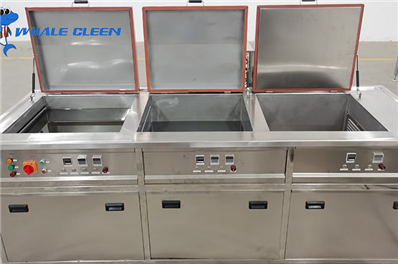 Application of Ultrasonic Cleaning Machines in the Electronics Industry and Mitigation of Electrostatic Effects
Application of Ultrasonic Cleaning Machines in the Electronics Industry and Mitigation of Electrostatic Effects Ultrasonic cleaning machines are widely used in the electronics industry for efficient and thorough cleaning of electronic components, remov
-
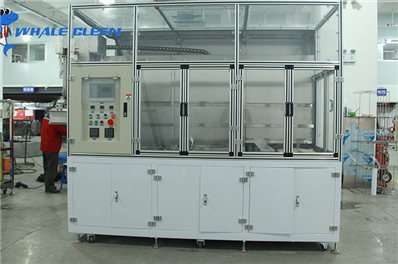 Professional Solutions for Ultrasonic Cleaning of Electronic Component Soldering
Ultrasonic cleaning equipment is a critical tool in the electronics manufacturing industry, particularly for cleaning electronic components and solder joints. This technology offers a highly efficient and effective solution for removing contaminants from
-
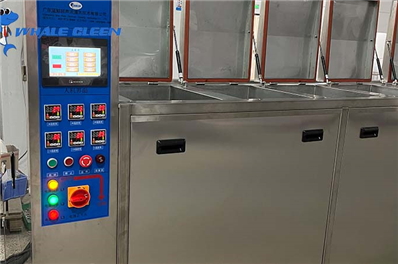 The Applications of Ultrasonic Cleaning Machines in Electronics Manufacturing
Ultrasonic cleaning machines have become an indispensable part of modern electronics manufacturing. These machines use high-frequency sound waves to create cavitation bubbles that implode on the surface of the objects being cleaned, effectively removing d
-
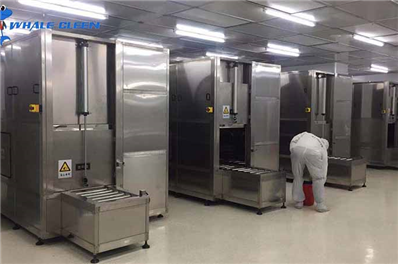 The current status of the development of ultrasonic cleaning technology
The ultrasonic cleaning technology first appeared in the early 1930s and was studied by the technical staff of American radio companies in New Jersey, USA. There are many types of ultrasonic cleaning equipment abroad, and the application fields in ultraso
-
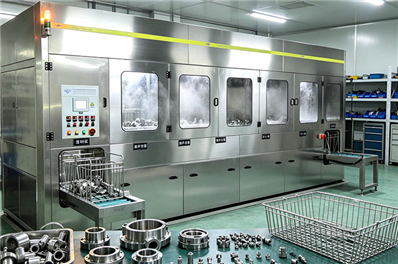 Industrial Ultrasonic Cleaning Machine: The Complete Solution for Manufacturing Precision Parts
In modern manufacturing, surface cleanliness is not merely an aesthetic consideration—it is a critical factor that directly impacts product performance, coating adhesion, and overall production yield. From automotive engine components and transmission par
-
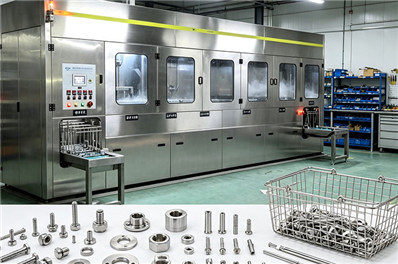 Breaking the Cleaning Bottleneck in Nickel and Gold Plating Lines with Whale cleen Ultrasonic Technology
In high-value surface finishing shops, nickel and gold plating lines demand the highest levels of surface cleanliness. A single fingerprint, a microscopic film of stamping oil, or a speck of polishing compound left on a component will manifest as blisteri
-
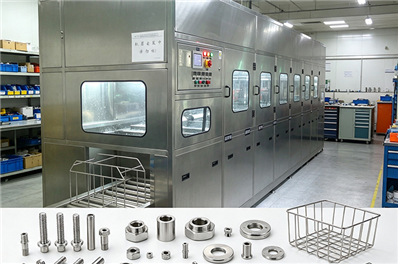 Ultrasonic Cleaning Machine: Why Disassemble Molds When You Can Clean Carbon Deposits in Minutes?
In industrial manufacturing, few maintenance tasks are as time-consuming and costly as mold cleaning. Production managers know the drill all too well: shutdown the line, wait for the mold to cool, disassemble every component, scrub stubborn carbon deposit
-
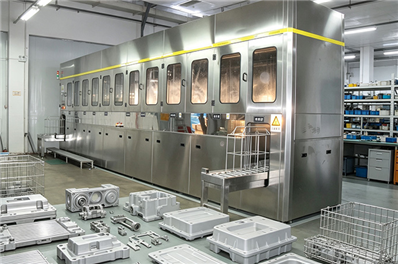 How Many Types of Electroplating Hardware Blanks Can One Ultrasonic Cleaning Machine Handle?
Walk into any hardware electroplating facility, and you will see a staggering variety of workpieces moving through the production line. Stamped brackets, machined housings, threaded fasteners, die-cast components, precision turned parts—each with its own